
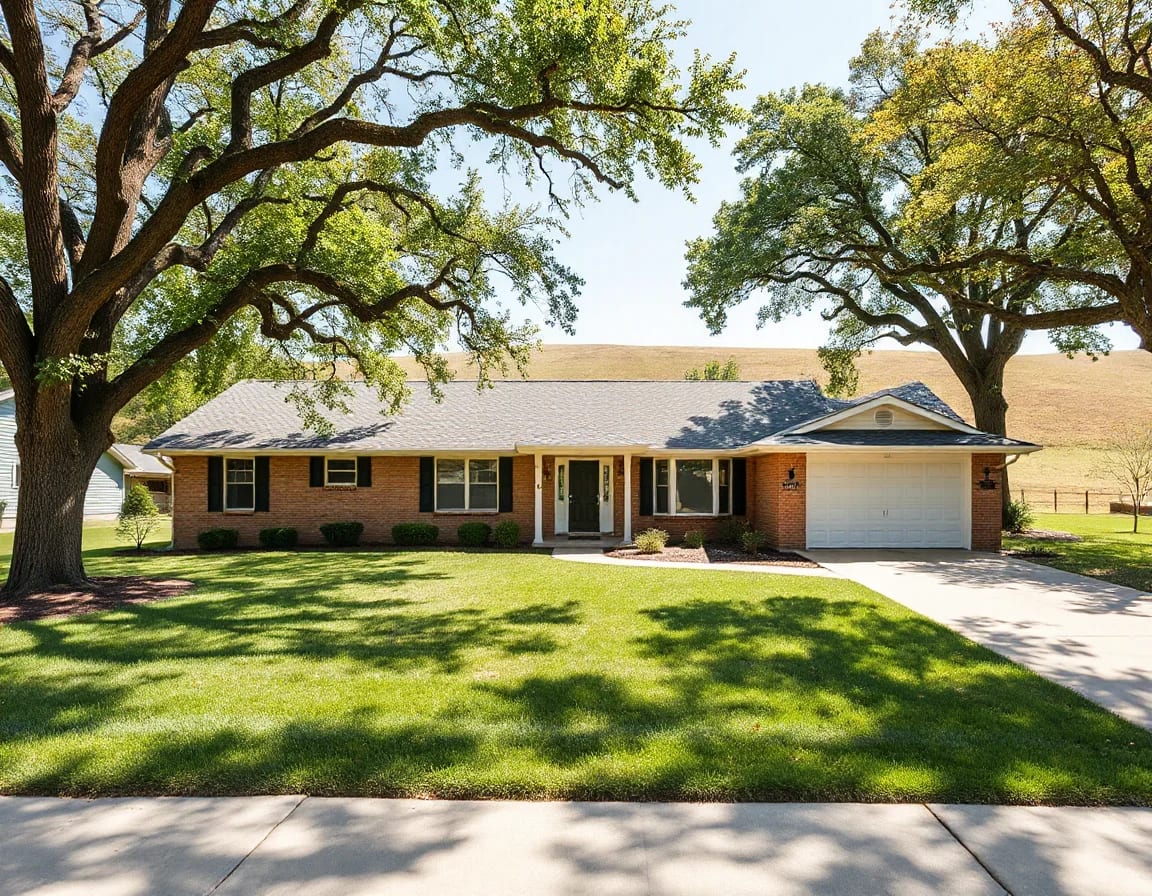
A home under $250,000 in Springfield can be a practical path to ownership, but the best decisions begin with clear expectations. Buyers may find solid options across the area when they compare condition, location, financing, and future maintenance costs instead of focusing only on the list price. These seven trade-offs can help you recognize value without being surprised after closing.
A realistic starting point for Springfield buyers
Shopping in Springfield, Missouri, with a budget below $250,000 calls for a focused strategy rather than a rushed compromise. Homes in this range can include established residences with character, smaller newer properties, townhomes, condos, and houses that need varying levels of updating. The key is deciding which features are essential for your day-to-day routine and which items can be improved gradually after purchase.
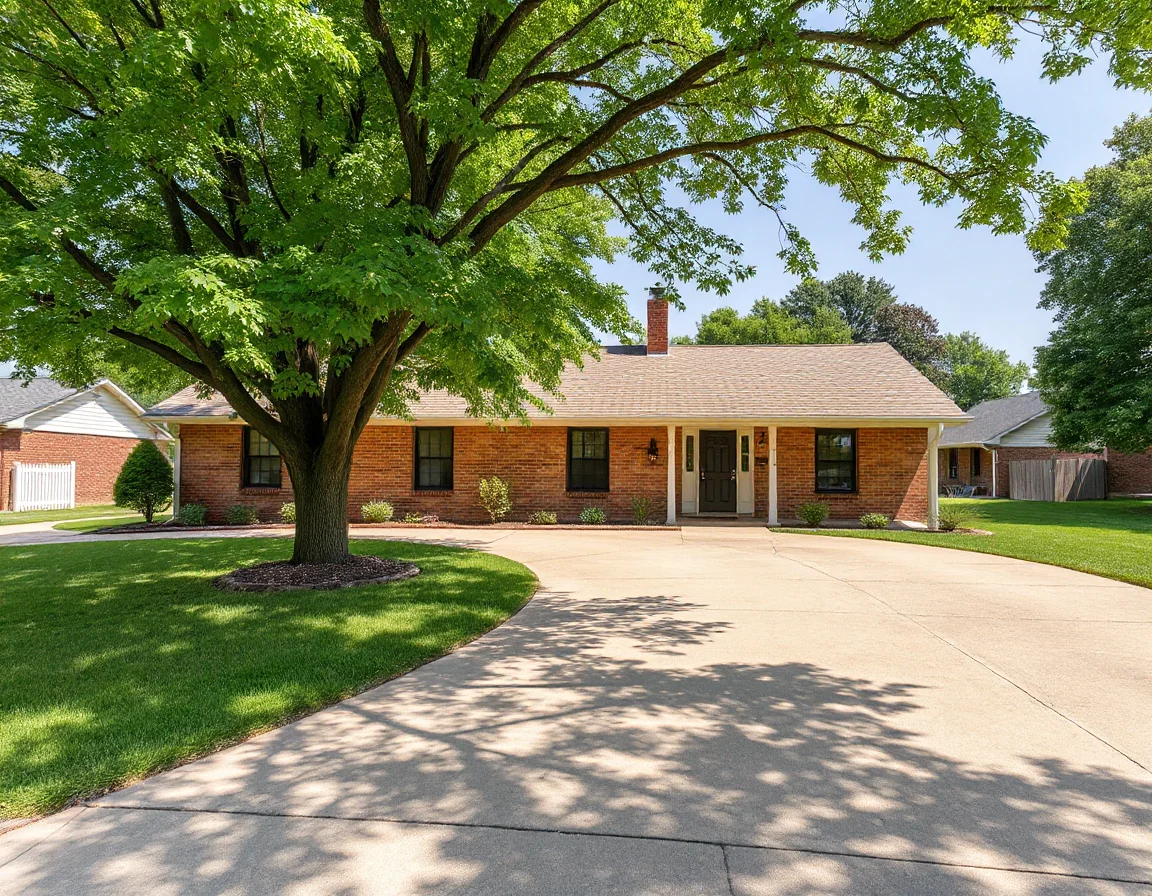
At this price point, flexibility matters. A home with an older kitchen may have a more convenient layout than a recently renovated property with less usable living space. A residence farther from a preferred daily destination may offer a larger lot, a garage, or a more updated roof and HVAC system. Looking at the complete ownership picture helps turn those choices into informed trade-offs rather than disappointments.
Springfield’s established neighborhoods, access to parks, dining, health care, higher education, and regional employment centers create a broad mix of housing styles. Inventory and pricing can shift quickly, so buyers benefit from reviewing new listings promptly, asking direct questions about condition, and keeping room in the budget for inspections, lender-required repairs, and moving costs.
Below $250,000, the strongest value is often a home with sound major systems and cosmetic work still to do. Paint, fixtures, and landscaping are easier to plan for than an unexpected roof or foundation repair.
The seven trade-offs worth weighing
1. Updated finishes versus strong fundamentals
A freshly styled kitchen, new flooring, and bright neutral paint can make a listing feel move-in ready. Those finishes are appealing, but they should not outweigh the condition of the foundation, roof, electrical panel, plumbing, windows, and heating and cooling equipment. In an older Springfield home, a careful inspection may reveal that the more modest-looking property is actually the better long-term fit.
Buyers can ask for the age of major systems, available maintenance records, and details about recent repairs. If a home has sturdy construction and a functional layout, cosmetic improvements can often be completed in stages. That approach can preserve cash for the projects that matter most after closing.
2. Square footage versus efficient space
More square footage is not automatically more useful. A larger home may include rooms with limited flexibility, while a smaller property with sensible storage, an open living area, or a finished bonus room may feel easier to use. Consider how furniture, work areas, hobbies, meals, and storage needs fit into the actual floor plan rather than relying on the total square-footage number.
Also review utility costs, maintenance time, and furnishing needs. A compact home with an efficient layout can mean less cleaning, fewer repairs, and a more manageable monthly budget. Conversely, extra space may be worth it when it serves a specific, ongoing purpose.
3. A shorter drive versus a larger home site
Location affects more than the address on a listing. Compare travel times to workplaces, medical services, grocery options, recreation, and the places you visit most often. Then weigh that convenience against lot size, outdoor space, parking, and the style of home available in different parts of Springfield and nearby communities.
A property with a larger yard can offer room for gardening, outdoor seating, or future landscaping, but it also brings mowing, drainage, tree care, and fence maintenance. A smaller lot may reduce weekend upkeep while placing more amenities within a shorter drive. Neither choice is universally better; it depends on how you want the home to function.
Condition, financing, and timing all shape the decision
Some of the most important trade-offs happen before an offer is written. A listing price under $250,000 does not necessarily mean a home will fit comfortably within the full purchase budget. Closing costs, insurance, property taxes, lender fees, inspection costs, and immediate repairs should all be considered alongside the down payment and monthly loan payment.
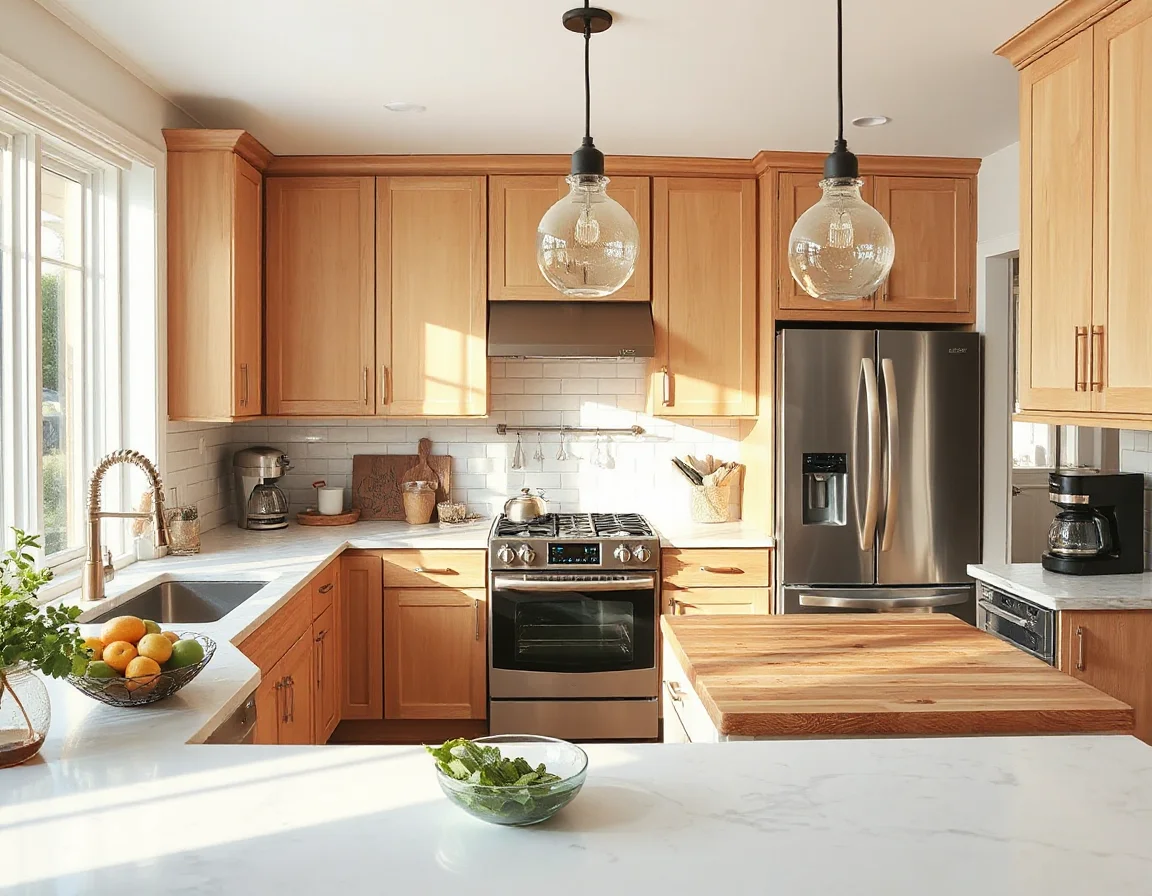
4. Lower price versus repair responsibility
A home needing work can create an opportunity to build equity through thoughtful improvements, but it also requires reliable cost estimates and a realistic schedule. Repairs may affect financing, insurance, or move-in timing, especially when they involve structural components, electrical safety, water intrusion, or nonfunctioning mechanical systems.
Before deciding that a project home is a bargain, prioritize professional inspections and contractor opinions when appropriate. Buyers should distinguish between a manageable list of upgrades and a property with multiple costly unknowns. Transparency around condition is especially valuable here: knowing what needs attention allows you to decide whether the price truly accounts for the work ahead.
5. Competitive pricing versus room to negotiate
In a limited budget range, attractive homes can draw attention quickly. A well-priced property in good condition may require a prompt, clean offer with terms that align with your financing and inspection needs. Other listings may remain available longer because of location, condition, presentation, or an asking price that has not matched current buyer response.
That does not mean every home needs an aggressive offer. It means buyers should evaluate comparable sales, days on market, competing activity, and the seller’s stated timeline before choosing a strategy. A clear plan can help avoid both overpaying in a rush and losing a property by waiting for a discount that may not materialize.
6. Conventional choices versus financing flexibility
The type of loan can influence which homes are practical to pursue. Conventional, FHA, VA, and other financing options may have different requirements for appraisal condition, repairs, down payment, and reserves. Discussing those details with a lender early can prevent wasted time on homes that are unlikely to meet loan guidelines without significant seller or buyer investment.
Financing preparation also strengthens your ability to act when the right listing appears. A current preapproval, a clear understanding of cash-to-close, and an honest repair budget make it easier to compare homes on equal footing. The purchase price is only one part of affordability.
Keep a separate reserve for the first year of ownership whenever possible. Even a carefully inspected home can need routine items such as appliance servicing, landscaping tools, locks, filters, or minor plumbing repairs.
Looking beyond the first weekend
7. Immediate perfection versus future potential
The final trade-off is often emotional: whether to keep searching for a home that checks every box today or choose one that meets the most important needs and offers room to grow over time. In Springfield, a home with a workable layout, dependable structure, and a location that supports your routine may provide more lasting value than one with every current design trend.
Future potential can include unfinished space, a garage, a usable yard, durable materials, or simply a floor plan that can adapt as needs change. It can also mean choosing a property where improvements can be completed thoughtfully instead of all at once. Build a short list of nonnegotiables, then identify the preferences that can be revisited after closing.
Buying below $250,000 does not require settling for a poor fit. It requires asking sharper questions, reviewing the complete cost of ownership, and staying grounded in the features that matter most. With a pressure-free, transparent process, buyers can compare Springfield options confidently and move forward when a home’s value, condition, and long-term potential align.