
A confident sale begins well before the listing goes live. By focusing on condition, presentation, pricing preparation, and a practical showing plan, Springfield homeowners can help buyers see the full value of a property from the first visit. The goal is not perfection—it is a home that feels cared for, easy to understand, and ready for its next chapter.
Start With a Clear, Room-by-Room Plan
Preparing a home for sale can feel like a long list of competing priorities, especially when everyday life is still happening around the work. The most productive approach is to begin with a simple walkthrough and view each room as a buyer will: What is the room’s purpose? What feature stands out first? What small issue might distract from the overall impression? A written plan turns vague to-dos into manageable decisions and helps prevent last-minute scrambling before photography or showings.

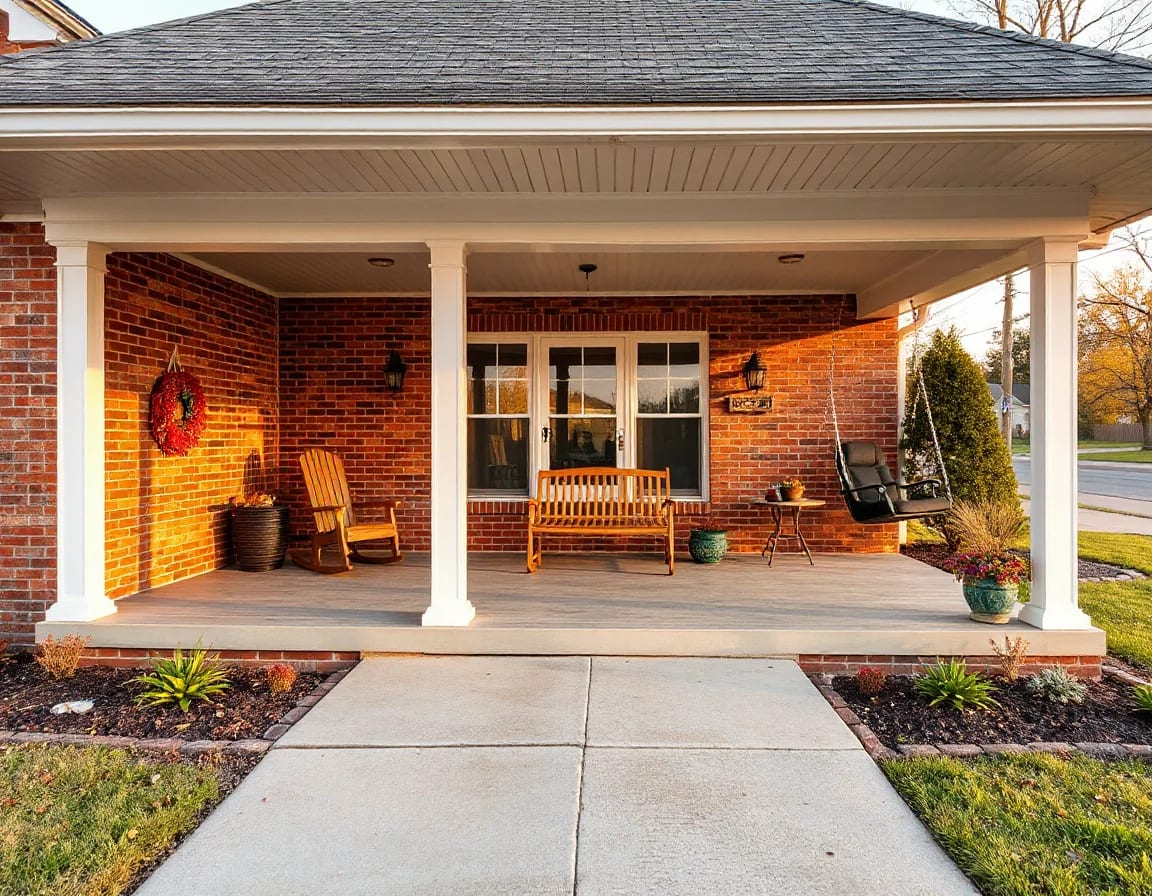
Begin outside, where buyers form their first impression before they ever reach the front door. Trim overgrown shrubs, clear leaves from gutters, touch up peeling paint, and make sure house numbers, exterior lighting, and the entry path are easy to see. In Springfield’s changing seasons, it also helps to remove weather-worn items, sweep hard surfaces, and keep landscaping neat without overcomplicating it. A clean, orderly exterior signals that the property has been consistently maintained.
Inside, prioritize repairs that are visible or easy to test. Replace burned-out bulbs, tighten loose cabinet hardware, repair dripping faucets, and address doors that stick or squeak. These may seem minor, but buyers often use small details to judge how much future maintenance a home may need. If a larger item has been serviced recently—such as an HVAC system, roof, water heater, or major appliance—keep any available records organized for later reference.
A focused pre-listing checklist is usually more valuable than a major renovation completed in a hurry. Clean condition, working systems, and thoughtful presentation often make the strongest immediate impression.
Decluttering is another essential step, but it does not require making a home feel empty. Remove excess furniture that interrupts natural pathways, clear kitchen counters, simplify shelves, and store personal paperwork or medications. The aim is to make room sizes, storage areas, and everyday functionality easier to see. A buyer should be able to notice the light in a living room, the counter space in a kitchen, or the storage in a closet without visual distractions competing for attention.
Make the Most of Springfield’s Natural Light and Everyday Spaces
Presentation is about helping each part of the home communicate its purpose. In a listing, a flexible bonus room can be described accurately as a study, hobby room, or multipurpose area when that is what the layout supports. A dining area should have enough space to show how it functions, and an unfinished basement or garage should be clean enough for buyers to assess its dimensions and potential uses. Clear presentation supports clearer expectations during a showing.
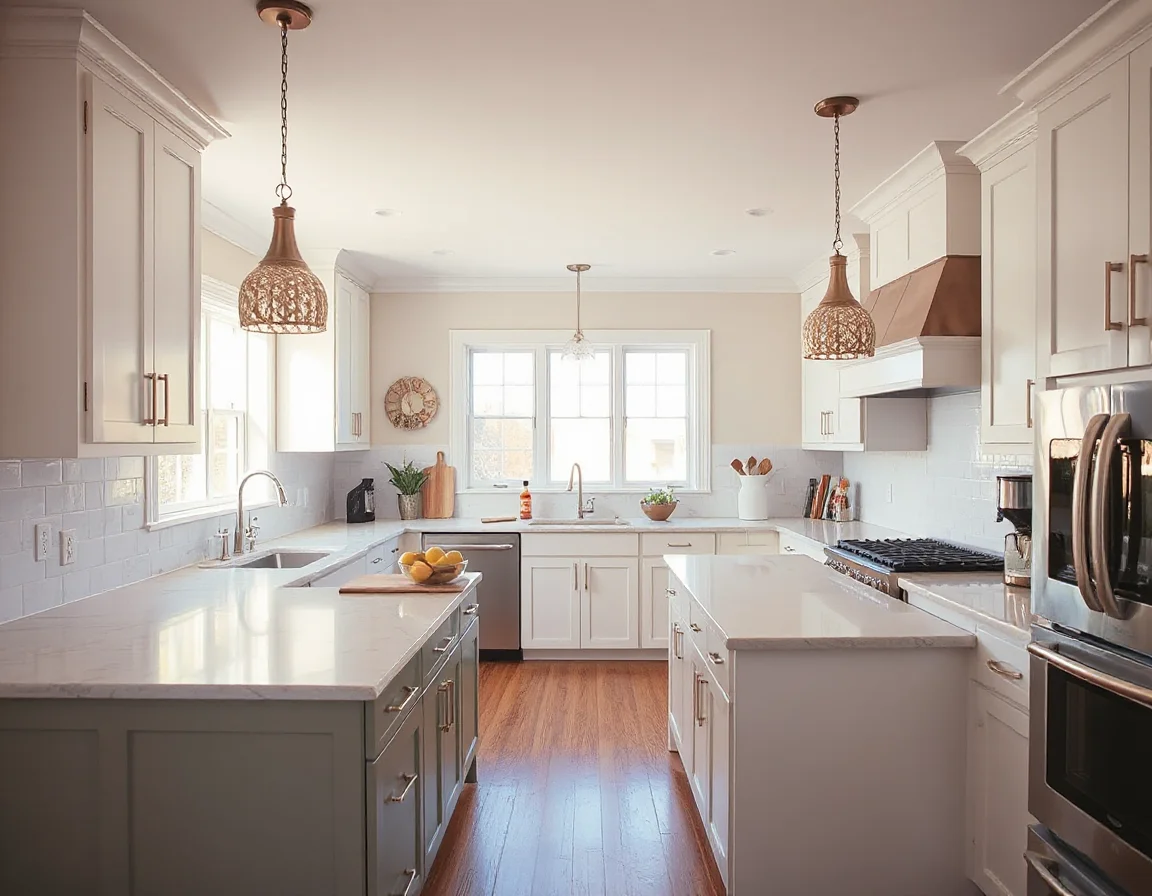
Light has an outsized effect on photographs and in-person visits. Open curtains and blinds, clean windows, and use matching bulbs with a consistent warm or neutral tone throughout the home. During darker months or on overcast days, layered lighting can make a meaningful difference: overhead fixtures, lamps, under-cabinet lighting, and porch lights each add to a welcoming, well-maintained appearance. Avoid relying on heavily scented products; fresh air and a clean home are usually the better strategy.
Kitchens and bathrooms deserve particular attention because they are high-use spaces where condition is easy to evaluate. Deep-clean grout, polish fixtures, clear countertops, and remove worn bath mats, towels, or dish racks before photos and showings. If cabinetry, tile, or countertops are older but in usable condition, cleanliness and simple styling can help the space feel intentional. Before undertaking an expensive update, consider whether the cost is likely to improve the home’s market position or whether a repair-and-refresh approach makes more sense.
Thoughtful staging can be modest. Fresh neutral bedding, a few coordinated pillows, a simple dining setup, and neatly folded towels can create a finished look without masking the home’s actual features. Keep the emphasis on the property itself: ceiling height, window placement, flooring, storage, outdoor access, and the flow between rooms. Buyers are evaluating the home, not a collection of decorative items.
Price Preparation Is Part of Property Preparation
Even a beautifully prepared home benefits from a pricing strategy grounded in current information. Comparable properties, recent sales, active competition, lot characteristics, condition, updates, and market timing all influence how buyers may view a listing. A transparent conversation about these factors is more useful than selecting a number based only on a hopeful target or a neighboring property’s asking price.
It is helpful to distinguish between changes that improve marketability and changes that may not return their full cost. Repainting a strongly colored wall, replacing damaged flooring in a prominent room, or repairing a compromised handrail can remove common objections. On the other hand, a highly customized renovation completed immediately before listing may not align with buyer preferences or local price expectations. A practical review of the property helps identify where time and budget can have the clearest impact.
Gather documentation early. Manuals, warranties, repair receipts, utility information, survey documents, and records of improvements can make later conversations smoother. If there are known property features or repairs that need explanation, discuss them openly before the listing is launched. Honest preparation supports a less stressful transaction and allows marketing materials, disclosures, and buyer questions to be handled with greater consistency.
The right list price is not simply a number—it is a positioning decision based on condition, competition, and current buyer activity. Preparing the home and preparing the pricing strategy should happen together.
Create a Showing Routine That Is Realistic
Once a home is active, the best showing plan is one that can be maintained. Keep a small basket or bin available for quick pickup of daily items, make beds in the morning, wipe down kitchen and bath surfaces, and establish a place for pet supplies if applicable. Before leaving for an appointment, turn on a few lights, adjust blinds for daylight, and make sure the entry is clear. These small routines help the property stay ready without requiring a full reset every day.
Flexibility can matter, but it should be balanced with reasonable notice and a schedule that works for the household. Your agent can help coordinate showing preferences, feedback, and timing so the process remains organized. If a buyer shares a concern after a visit, evaluate it alongside the broader response to the listing rather than reacting to one comment in isolation. Patterns in feedback can be valuable; isolated opinions may simply reflect personal preferences.
Springfield offers a wide range of home styles, from established neighborhoods with mature landscaping to newer construction and properties with more land around the city. That variety makes accurate marketing especially important. Strong photos, a clear description of features, and a property that is clean and easy to tour allow buyers to compare homes on meaningful details rather than being distracted by avoidable presentation issues.
Talk through your selling plan
Finish With Confidence, Not Last-Minute Pressure
A successful sale preparation plan should feel purposeful rather than overwhelming. Focus first on cleanliness, repairs, curb appeal, decluttering, and a pricing conversation based on current market evidence. Then build a showing routine that fits your day-to-day needs. With a clear process and straightforward communication, homeowners can bring their property to market knowing they have taken practical steps to present it at its best.
Every home has a different starting point, budget, and timeline. Whether the next step is a few weekend projects or a more detailed pre-listing review, an organized approach can make decisions easier and help the selling experience feel more manageable from the first walkthrough through closing.